The most successful dark fantasy stage costumes share a quality that is easy to perceive and very difficult to define. They feel like they come from somewhere else. Not from a costume house or a design studio, but from a world with different physical laws, different histories, and different relationships between beauty and danger. Achieving this quality is the central creative challenge of dark fantasy performance costume design, and the craft required to meet it is considerably more layered and specific than it might appear to the audience.
Surface as the Primary Language
In live performance, and increasingly in the high-resolution video content through which most audiences now consume K-Pop, surface is the primary language a costume uses to communicate. The structural decisions are important, but they establish the frame. Surface is what fills that frame with meaning.
Dark fantasy surface design is a specialist craft that draws on techniques from several adjacent disciplines. Textile art, surface pattern design, jewellery making, metalwork, leather craft, and paint application all contribute to the toolkit of a skilled dark fantasy costume surface designer. The challenge is to combine these techniques in ways that produce a surface reading that feels simultaneously rich with detail and unified in its overall impression.
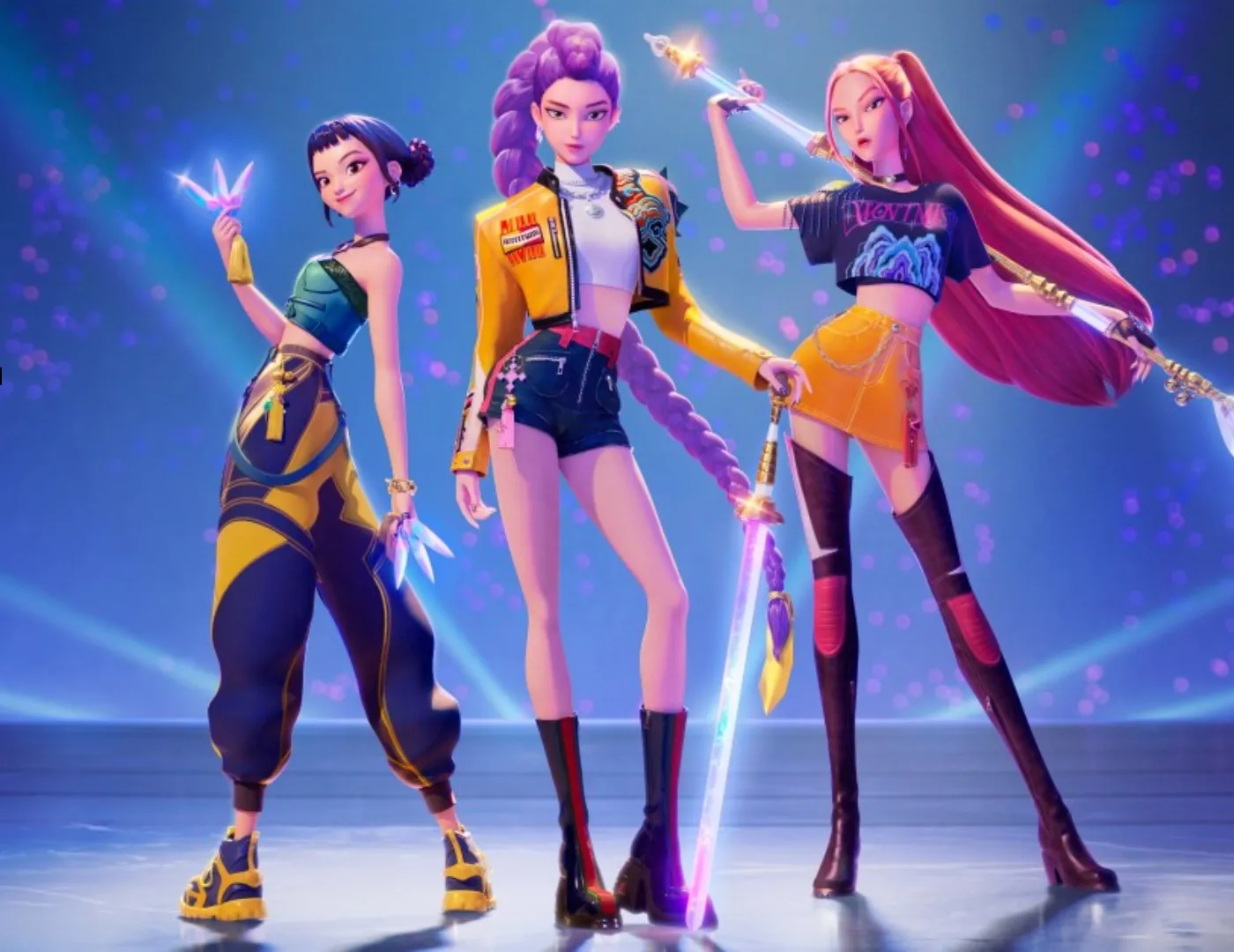
K-Pop Demon Hunters Costumes represent one of the most technically demanding applications of this surface design challenge. The costumes must read as powerful and detailed at the high resolution of a close-up camera, coherent and visually striking from the distance of a live arena audience, and dynamically interesting under the constantly changing light conditions of a major stage production. Meeting all three requirements simultaneously demands a level of surface design sophistication that most garment construction contexts never need to approach.d
Why the Craft Keeps Advancing
The standards of dark fantasy performance costume production are advancing rapidly, driven by the increasing ambitions of productions and by the growing technical sophistication of both makers and audiences. What constituted an ambitious and accomplished dark fantasy costume five years ago would be considered a solid but unremarkable baseline today.
This acceleration is good for the art form. It means that the work being produced now is genuinely more sophisticated, more technically accomplished, and more visually ambitious than anything produced previously. It also means that the craft knowledge required to work at the leading edge of the field is continuously expanding and deepening. The designers and makers who are keeping pace with this expansion are developing skills and knowledge with no real precedent, because the specific combination of demands that dark fantasy K-Pop performance costumes place on their makers has never existed in quite this form.
What drives those makers forward is not simply professional ambition, though that plays a role. It is the understanding that the audience on the other side of this work is genuinely paying attention, capable of appreciating the difference between a surface crafted with real depth and one that only superficially resembles it, and hungry for work that takes the visual and emotional possibilities of dark fantasy performance seriously. That audience is the most rewarding a performance costume designer could ask for, and meeting its expectations requires bringing every dimension of craft to bear.