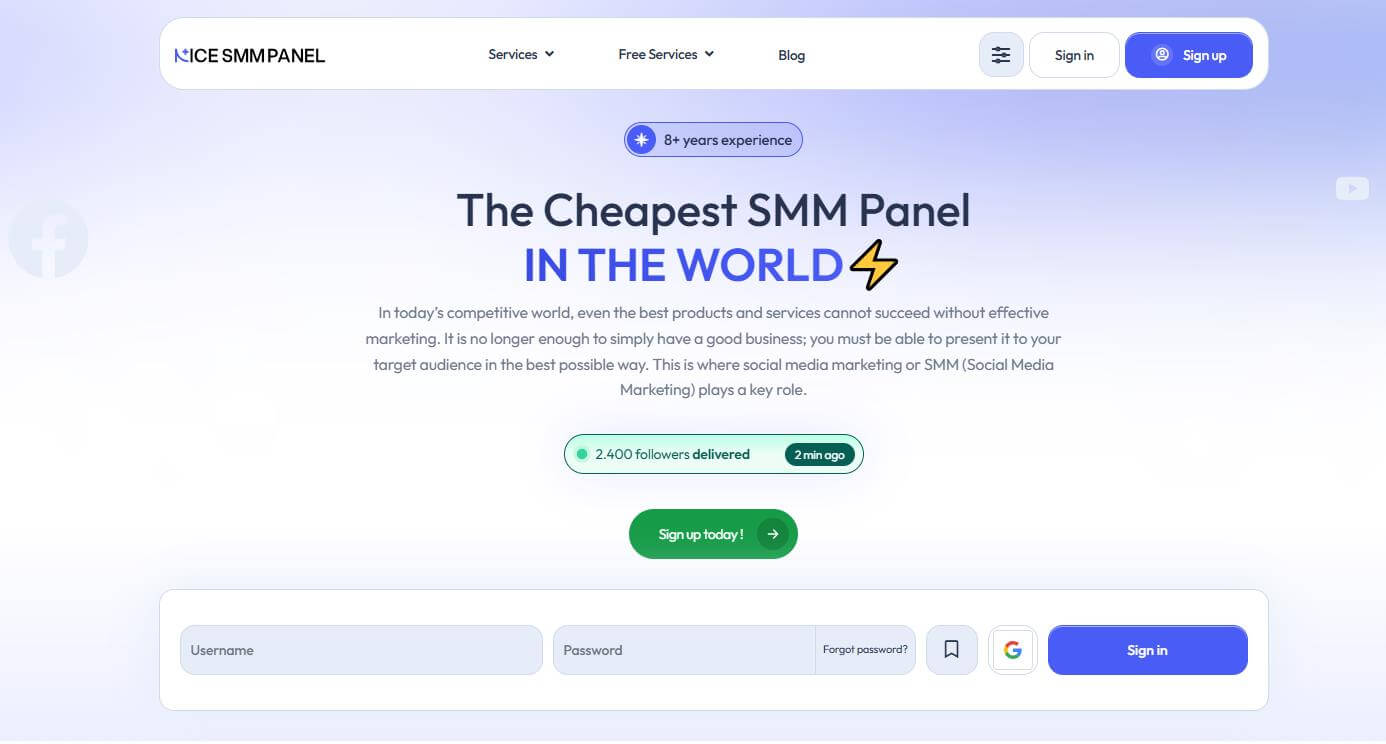
If you have spent any time researching social media growth strategies, you have likely come across the term SMM panel. For many users, the concept feels unclear at first. Some see it as a marketing shortcut, others as a structured tool, and some question whether it is even allowed. This mix of opinions creates confusion, especially for beginners who are trying to understand how modern social media promotion actually works.
The topic What is an SMM Panel, is it Legal or Illegal, and How Does it Work? addresses all of these concerns in one place. Instead of focusing only on definitions, it is important to understand how these platforms function in real marketing environments, how they are perceived by platforms, and what role they play in practical workflows. The goal is not to simplify the topic too much, but to explain it in a way that reflects how it is actually used today.
This article explores the structure of SMM panels, how they operate, the legal considerations behind them, and how users can approach them with a more informed perspective. By the end, the concept should feel less abstract and more grounded in real-world usage.

What is an SMM Panel, is it Legal or Illegal, and How Does it Work?
An SMM panel, or Social Media Marketing panel, is essentially a platform that provides access to various social media-related services through a centralized dashboard. These services may include actions that support visibility, engagement, or distribution across different platforms. Instead of managing multiple tools separately, users can access everything from one place.
The legality of SMM panels is often misunderstood. In most cases, using an SMM panel is not illegal. However, the way it is used can determine whether it aligns with platform policies. Social media platforms have their own rules regarding artificial activity or manipulation, which means users need to approach these tools with awareness rather than assumption.
How Do SMM Panels Actually Work?
SMM panels operate as intermediaries between users and service providers. When a user places an order, the panel processes that request and connects it to a network that fulfills the action. This process is usually automated, which allows for faster execution compared to manual methods.
The simplicity of the interface often hides the complexity behind the system. From the user’s perspective, it feels straightforward: select a service, enter a link, and confirm the order. However, behind that process, there are multiple layers of infrastructure working together to deliver the requested action.
Are SMM Panels Legal or Illegal?
From a legal standpoint, SMM panels themselves are not inherently illegal. They function as digital service marketplaces. However, the critical factor is compliance with platform policies. Social media platforms like Instagram or Facebook have guidelines that restrict certain types of artificial engagement or misleading activity.
This means the risk is not about law enforcement, but about account safety and platform rules. Users who approach SMM panels without understanding these nuances may face issues such as reduced visibility or account limitations. On the other hand, users who apply these tools carefully and realistically often experience fewer problems.

Why Do People Use SMM Panels?
The primary reason people use SMM panels is efficiency. Managing growth manually can be time-consuming and unpredictable. SMM panels provide a structured way to support campaigns, especially when users need to maintain consistency across multiple posts or accounts.
Another reason is perception. Social media is heavily influenced by first impressions. Profiles that appear active and engaged are often perceived as more credible. SMM panels are sometimes used to support this perception, especially in early stages where organic activity is still building.
What Are the Risks of Using an SMM Panel?
The main risks are related to platform policies rather than legal consequences. Sudden or unrealistic activity can trigger automated systems that monitor behavior. This may result in reduced reach, temporary restrictions, or other limitations depending on the platform.
Another risk is misunderstanding expectations. Some users expect instant long-term growth, which is not how social media works. SMM panels can support visibility, but they do not replace content quality, audience connection, or consistent posting strategies. Understanding this balance is essential.
How to Use an SMM Panel More Safely?
Using an SMM panel more safely involves adopting a gradual and realistic approach. Instead of making large, sudden changes, users can start with smaller actions and observe how their account responds. This helps maintain a natural pattern that aligns with platform expectations.
It is also important to combine panel usage with organic strategies. Content quality, audience engagement, and consistency should remain the foundation. The panel should act as a supporting tool rather than the main strategy.
Choosing the Right SMM Panel Provider?
Not all SMM panels are equal. Some platforms offer better structure, clearer interfaces, and more reliable workflows. Choosing the right provider can make a significant difference in how effective and manageable the experience feels.
Users who are looking for a cheapest best and top smm panel provider in 2026 often prioritize platforms that balance usability with affordability. A good provider is not just about price. It should also offer a system that feels stable, organized, and suitable for repeated use.
Comparison: SMM Panels vs Organic Growth
The table below highlights the key differences between using SMM panels and relying purely on organic growth strategies.
| Factor | SMM Panels | Organic Growth |
| Speed | Faster initial results | Slower but gradual |
| Control | More structured | Less predictable |
| Risk | Depends on usage | Lower risk |
| Scalability | High if managed well | Limited by content reach |
| Sustainability | Depends on balance | More stable long-term |
Are SMM Panels Suitable for Long-Term Growth?
SMM panels can play a role in long-term strategies if they are used as a support system rather than a replacement for organic growth. When combined with consistent content and audience engagement, they can help maintain momentum and improve visibility.
However, relying solely on panels without building a real audience often leads to unsustainable results. Long-term success on social media still depends on value, relevance, and connection with users. Panels can assist, but they cannot replace these fundamentals.

Frequently Asked Questions
Below are common questions users ask when trying to understand SMM panels and their impact.
What is an SMM panel in simple terms?
An SMM panel is a platform that provides social media-related services through a single dashboard, making it easier to manage promotional actions across different platforms.
Is using an SMM panel illegal?
No, it is not illegal in most cases. However, users must be aware of platform policies, as misuse can lead to account-related issues.
How do SMM panels deliver services?
They act as intermediaries that process user requests and connect them to networks that fulfill the required actions automatically.
Can SMM panels replace organic growth?
No, they are best used as a supporting tool alongside organic strategies such as content creation and audience engagement.
How can I reduce risks when using an SMM panel?
Using services gradually, avoiding sudden spikes, and combining panel usage with organic activity can help reduce potential risks.
Conclusion
Understanding what an SMM panel is, how it works, and whether it is legal requires a balanced perspective. These platforms are tools, not shortcuts to guaranteed success. Their effectiveness depends largely on how they are used and how well they are integrated into a broader strategy.
For users who approach them with awareness and realistic expectations, SMM panels can provide structure, efficiency, and support for social media campaigns. However, the foundation of long-term growth still lies in content quality and genuine audience engagement. The most effective approach is always a combination of both.