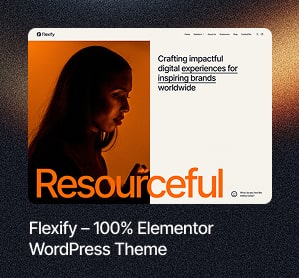
Website trends evolve faster than ever, and today’s customers expect modern, polished, fast, and trustworthy digital experiences. For business owners, understanding these trends isn’t just about following what’s new—it’s about recognizing what shapes customer expectations and influences brand perception. A modern website has become the first point of contact for nearly every industry, and the trends that dominate web design today directly impact how customers decide whom to trust. That’s why many businesses strengthen their digital strategy through local search marketing to ensure they stay visible and relevant in a fast-changing landscape.
Modern design trends are more than aesthetics. They affect your site’s performance, usability, search rankings, and the confidence customers feel when engaging with your brand. Below, we explore what every business owner should understand about today’s website trends-and how to use them wisely.
Trends Impact How Customers View Your Brand
The look and feel of your website speak louder than any social post, print ad, or email campaign. Customers form immediate judgments based on visual quality and user experience. Modern trends shape those judgments.
Clean minimalism, for example, has become a dominant trend because it improves readability, increases focus, and creates a sense of professionalism. When customers land on a clean, uncluttered layout with strong visuals and logical spacing, they instantly trust the brand more. On the other hand, outdated layouts, heavy text blocks, or chaotic designs signal neglect or poor quality.
Mobile-first design has also shifted from a trend to a necessity. Most customers browse first on their phones, and modern websites now prioritize thumb-friendly navigation, large tap targets, adaptive text, and fast mobile loading. A website that fails to deliver a modern mobile experience loses credibility quickly.
Speed-focused design trends are also shaping user expectations. Visitors expect sites to load almost instantly. If they don’t, bounce rates rise. Lightweight components, optimized images, and simplified interactions help create a seamless experience that keeps users engaged—something search engines reward as well.
Another rising trend is authentic imagery and brand personality. Customers prefer genuine visuals and real-feeling content, rather than generic stock photos. This trend reflects a deeper shift toward transparency and trust, especially for local or service-based businesses.
Modern websites are also prioritizing accessibility. Clear color contrast, readable text, keyboard navigation, and screen-reader compatibility help create inclusive digital experiences that improve both user satisfaction and SEO performance.
Because design trends now play a direct role in how customers perceive professionalism, many companies turn to experts such as a technical seo agency to ensure their design choices don’t harm performance or visibility.

Use Trends Wisely to Stay Relevant Not A Gimmick
While it’s important to follow trends, blindly adopting them can do more harm than good. Not every trend fits every industry, audience, or brand personality. Successful businesses use trends intentionally-not as flashy gimmicks, but as strategic updates that enhance the customer experience.
One key example is motion-based design. Subtle animations, transitions, and micro-interactions can improve navigation and highlight important content. But overusing animations slows down the site, distracts users, and harms SEO. The goal is to support user flow, not overwhelm it.
The trend of oversized typography is another tool that must be used strategically. It can make a statement and improve scanning, but if taken too far, it becomes visually overpowering or impractical on smaller screens. Trend adaptation should always prioritize ease of use.
Dark mode design has also grown popular. While it creates a sleek, modern look, it must still meet accessibility and readability standards. Using dark mode only because it “looks cool” can lead to poor contrast or hard-to-read content—turning a trend into a problem rather than a benefit.
Interactive elements, such as quizzes, dynamic FAQs, and scrolling animations, are becoming more common. When used properly, they enhance engagement and improve the browsing experience. When misused, they slow down the site and frustrate users.
The most important best practice is aligning trends with your business goals. Customer behavior, not aesthetics, should drive your decisions. Functionality, speed, clarity, and usability remain the foundation of every strong website.
Businesses that want to stay modern without sacrificing performance often work with ecommerce web design services to incorporate current trends in a strategic, conversion-friendly way.
Using trends wisely doesn’t mean being “flashy.” It means staying relevant, trustworthy, and aligned with customer expectations.
Modern website trends shape how customers view your business and influence whether they trust you, engage with you, or move on to a competitor. Trends should be used with intention-enhancing performance, clarity, and brand personality while avoiding unnecessary gimmicks. When executed thoughtfully, modern trends elevate your online presence, strengthen trust, and keep your business ahead of changing customer expectations.