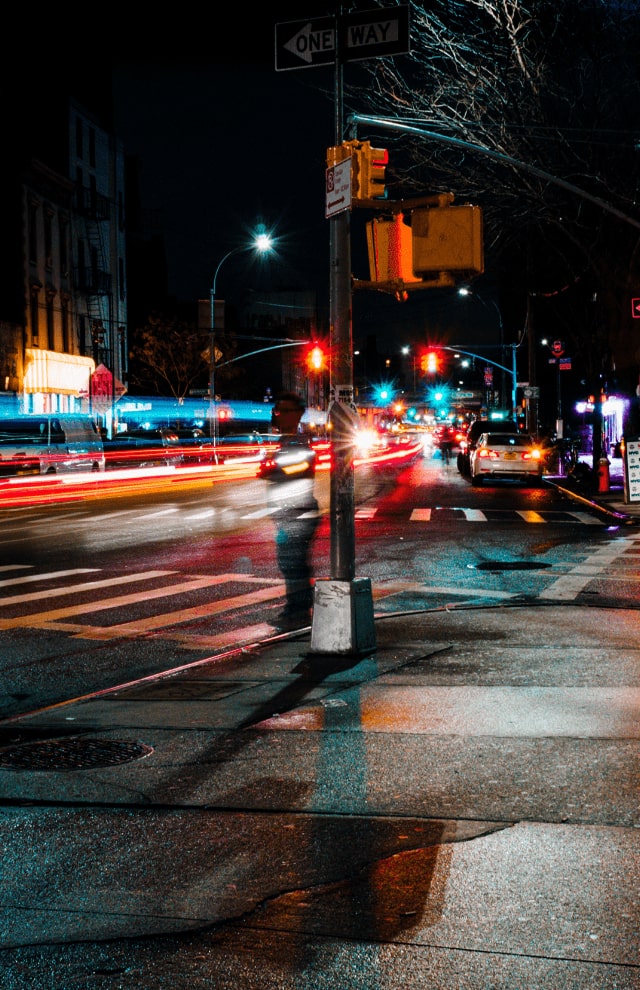
Walk through any major city and you are walking through a conversation. Not between people, exactly, but between brands and the public spaces they inhabit. Bus shelters, station concourses, building facades, park benches, and pedestrian crossings have become venues for communication that is simultaneously massive in scale and deeply personal in delivery.
This conversation has been evolving for well over a century, but what is happening right now represents a meaningful shift. The street corner is not just talking louder. It is talking smarter, more responsively, and with far more creative ambition than most people outside the industry realise.
The Medium That Refused to Be Left Behind
When digital advertising exploded in the early 2000s, many observers assumed that physical, location-based media would quietly fade. Why pay for a static poster when you could target a specific person on a specific device at a specific moment?
What actually happened was more interesting. Out-of-home advertising did not fade. It adapted. And in adapting, it found new relevance precisely because of what it is not. It is not skippable. It is not blocked by software. It does not live behind a paywall or disappear into an algorithm. It simply exists, in a place where people are, doing the thing people do: moving through the world.
That permanence turned out to be a feature, not a limitation. In an era where digital attention is fragmented and fleeting, the physical ad environment became one of the last places where a message could genuinely stop someone.
Community and Place
Perhaps the most underestimated quality of outdoor media is its relationship to place. When advertising is designed with an awareness of its location, it can feel like it belongs there. It can reference local culture, speak to local concerns, or simply acknowledge that the people passing by have a particular relationship with that neighbourhood.
This place-based awareness creates a form of relevance that no amount of demographic targeting can fully replicate. A billboard in a surfing town that speaks the language of that community is not just an ad. It is a signal that the brand has paid attention.
And paying attention, it turns out, is one of the most powerful things any communicator can do.
What the Next Chapter Looks Like
The outdoor advertising landscape is moving toward increasingly sophisticated integration between physical presence and digital behaviour. The screen on the street corner is becoming one point in a larger journey, connected to what happens on a phone minutes or hours later, building a cumulative impression that is greater than any single touchpoint.
For brands willing to think across those touchpoints rather than within them, the opportunity is substantial. Those listening closely are finding that the oldest advertising medium still has plenty left to say. For brands willing to invest in physical presence and integrate it thoughtfully with everything else they do, the opportunity is substantial and growing in ways that would have seemed genuinely unlikely just a decade ago. The street corner, it turns out, was always worth listening to. And right now, it has never had more to say.