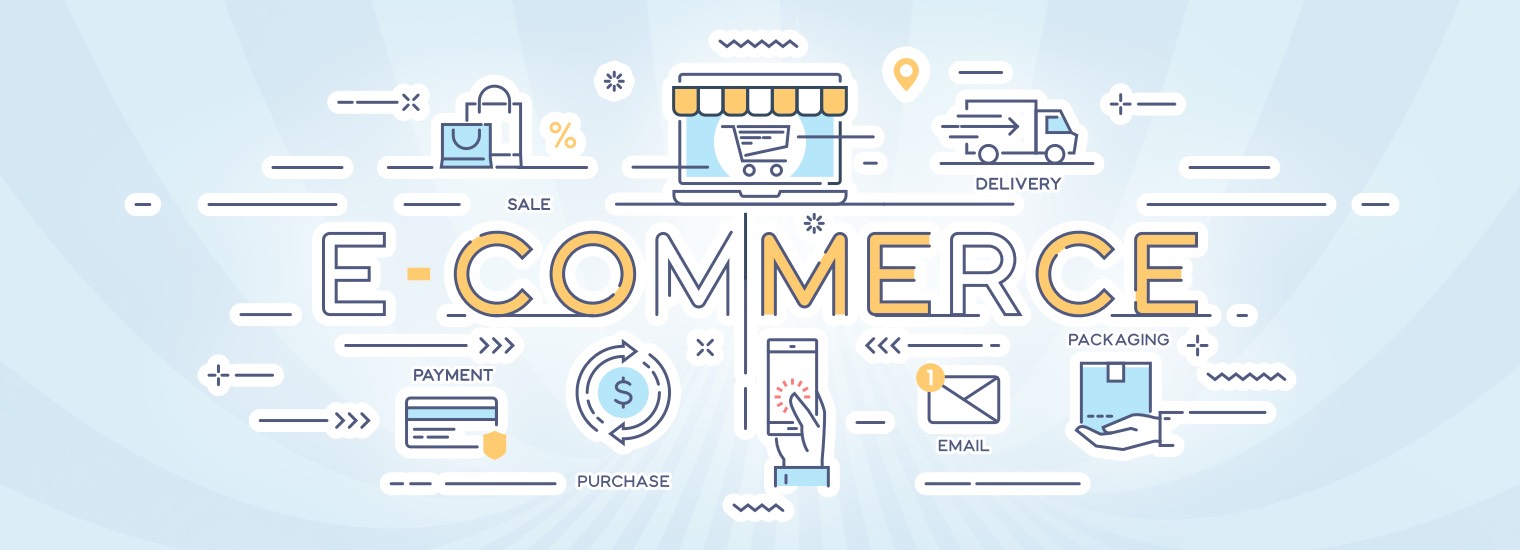
For many companies, selling online started as an extra channel. Today, it may even be the central part of the entire operation. Customers may be able to browse the internet, compare prices, and expect rapid delivery. The whole process may need to be seamless. And that is where the business software has developed its new role. A simple online store is no longer enough to get the job done. Growth is now dependent on solutions that are capable of handling everything from products to payments, orders, customer data, logistics, and marketing within the same system.
This is the reason why many businesses are now paying great attention to the ecommerce software development with Cogniteq and other bespoke solutions when planning their future growth. While existing solutions may be enough to get the business started, bespoke solutions provide businesses with more control over the customer experience, the logic of the inventory system, the level of automation, and the potential for future growth. When online commerce is no longer a trivial part of the business, the technology behind it is no longer trivial either.

Ecommerce Has Become an Operating System for Business
A few years ago, many business owners saw digital commerce as a storefront. Put products online, connect a payment method, add some product photos, and start selling. That model still works for very small projects, yet it becomes limiting once operations grow.
Today, online business software may affect nearly every part of a business. It may influence how a business manages everything from updating products, handling returns, and offering promotions, to supporting customers, recovering abandoned carts, and analyzing sales. Even brand loyalty may depend on the business software, as the way a website loads, searches, filters, and checks out may influence how customers feel about a business.
The real importance of ecommerce software development comes from this deeper role. It is no longer only about building pages. It’s all about building a solid online environment where selling, serving, and operating may all happen well. A business may be able to respond to customers, introduce products, and identify problems before they become costly.
Customer Expectations Are Built Around Convenience
When customers shop online, they may not think about the system behind a business unless something goes wrong. A page loads slowly. A payment fails. A product shows as available and then turns out to be out of stock. A checkout form asks for too much information. These moments feel small, yet they shape trust very quickly.
Good ecommerce software development matters because convenience is now one of the main reasons people stay or leave. Customers expect:
- fast search and filtering
- clear product information
- simple checkout
- secure payments
- accurate delivery updates
- easy returns and account management
Each of these points depends on software decisions. Design is important, of course. However, design is not enough to compensate for logic that is lacking. If the backend is antiquated and disconnected from the inventory system, the warehouse, and customer communication tools, the user experience will suffer regardless of the quality of the design on the homepage.
This is particularly important for businesses that are in highly competitive markets. In these markets, the competition is offering similar products. The advantage that one business has over another may be the ease with which the customer can make the purchase.
Flexibility Matters More Than Ever

One reason ecommerce software development has become so important is that business models are no longer fixed. The business may start by marketing to consumers and then expand to include wholesalers. For instance, if it is a store, it may include subscriptions, virtual goods, and international delivery. A fashion brand may want regional pricing, seasonal campaigns, loyalty programs, and influencer-based landing pages.
Generic tools can cover basic needs, though growing businesses often run into limits. They may need features such as:
- custom product bundles
- dynamic pricing rules
- multi-vendor architecture
- warehouse synchronization
- integration with ERP or CRM systems
- separate user roles for internal teams
These needs are rarely solved well through random plugins added over time. The result is often a patchwork system that becomes harder to maintain every month. Pages break after updates. Data moves inconsistently between tools. Staff spend extra time correcting issues by hand.
Custom or well-planned ecommerce software development creates room for a business to evolve. It supports current needs, with an eye to future changes. This can prevent huge costs from arising in the future, particularly for companies with complex product lists or high-volume sales.
Strong Software Supports Better Business Decisions
Some business owners concentrate on immediate, tangible results such as revenue, conversion rate, or sales. These are important, but the quality of software can also affect how well a company understands itself.
Today’s ecommerce software solutions also have the ability to aggregate information from different sources. This helps businesses get a better understanding of their customers, as well as information on the business’s best-selling products, delivery issues, or campaign successes. It becomes easier to answer real questions. Which products are abandoned most often at checkout? Which traffic sources bring loyal buyers instead of one-time visitors? Which categories need better filters or descriptions?
Without the right software foundation, this kind of insight becomes fragmented. Data sits in separate platforms and teams struggle to combine it into a useful picture. Decisions then rely more on guesswork than evidence.
Well-developed ecommerce software helps businesses move from reacting to planning. It gives them the ability to test offers, personalize content, forecast stock needs, and identify patterns before competitors do. In a market where timing matters, that kind of visibility has real commercial value.
The Hidden Cost of Weak Ecommerce Systems
When people talk about ecommerce growth, they often focus on what new technology can add. It’s just as important to consider what poor technology does not provide. It does not provide time, money, and trust, and it does so in a way that’s often difficult to appreciate.
A business may lose sales because mobile checkout feels clumsy. Customer support may become overloaded because order updates are unclear. Marketing teams may spend more to bring visitors in, only to lose them due to technical friction. Internal staff may waste hours fixing data mistakes caused by disconnected systems.
These are problematic issues, and they are problematic because they accumulate. One small issue in product management can affect sales pages, ads, warehouse accuracy, and customer satisfaction at once. That is why ecommerce software development should be treated as infrastructure, similar to logistics or finance. It supports everything else.
A business that lays a good foundation will be able to build a stronger business. This is especially true in uncertain times. In fact, in uncertain times, it is part of a business’s competitive advantage. This is especially true in uncertain times. At the end of the day, ecommerce software is as important as it is today because business conducted online has evolved. Today, it is not enough for businesses to simply be online. They need online tools that reflect how they operate today and where they want to go tomorrow. It is now one of the most obvious ways to tell if growth is being driven by something permanent or something temporary.