
The fitness world is no longer changing in ways that seem transient or short-lived. A gym membership was once the hub of a person’s fitness life. They would go in, follow a class schedule, maybe get a trainer, and then leave that aspect of their life behind until they returned to the gym again. This is no longer the case, and one of the primary ways this is evident is in relation to people’s use of their phones and other technology to bring fitness with them wherever they go.
One of the primary ways this is evident is in relation to why the development of applications for the fitness industry is such a big deal. Fitness-related applications are no longer viewed as a luxury or a bonus feature of a person’s life, but rather a defining aspect of their routines, their ability to stay on track, and their overall understanding of what it means to make progress in their life.
Fitness Is No Longer Tied to One Place
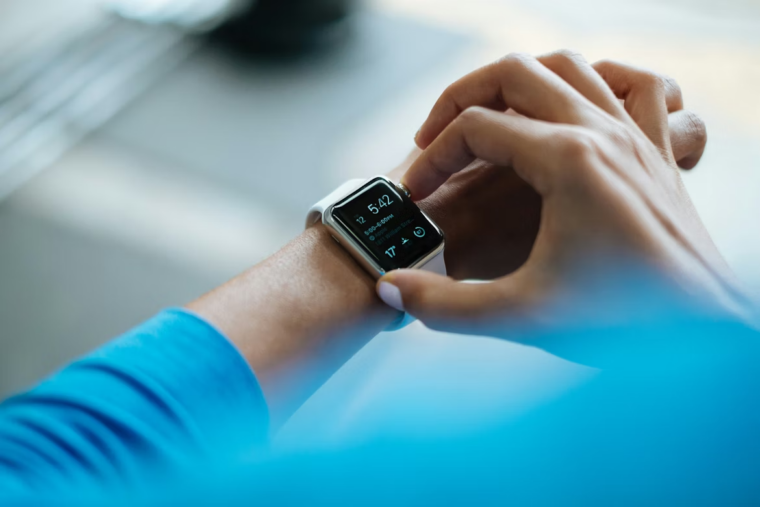
One of the biggest differences in relation to fitness is that it’s no longer associated with a physical location. A person may go to a gym, a yoga class, a swimming pool, or a small fitness gym, but their fitness life transcends the hours spent in these locations. They may monitor their steps to work, their meals during lunchtime, their sleep during nighttime, and their activities in the living room before bed.
This has given birth to a new expectation. This new expectation is an expectation in which people expect to be assisted in a way that fits their lifestyle. They expect that when they launch an app, they will know what to do today, how they are doing this week, and what to do. They expect to be able to work hard one day, walk another day, stretch another day, or rest another day.
It’s hard to achieve such a level of continuity. A trainer may only see a client two or three times a week. A gym may have great equipment and classes, yet it cannot live in someone’s pocket without a digital layer. Apps fill that gap. They give the fitness industry a way to stay useful during the hours when users are making small choices that affect results. This matters because consistency usually grows from small actions, repeated often. A good app helps turn scattered motivation into a routine that feels manageable.
Better Data Creates Better Coaching
Fitness has always involved feedback. Coaches observe form, trainers track progress, and athletes track performance. The amount and type of information that the average user can access has changed. Part of the bigger picture are steps taken, heart rates, training load, calories burned, hydration levels, sleep quality, menstrual cycles, recuperation trends, and mood.
If used correctly, the information that is out there can help make the fitness sector more tailored to each person. Apps can give more personalized guidance instead of the same basic counsel to everyone. Someone sleeping badly may need a lighter session. Someone recovering well might be ready for a harder workout. A beginner may need more guidance and reassurance than intensity.
This is where apps become especially valuable for professionals. They help coaches and businesses notice patterns that would otherwise stay invisible. Over time, this leads to smarter programming and better communication.
Useful fitness apps often improve the experience in several ways:
- They make progress visible through clear tracking
- They like plans that are made just for them instead of routines that work for everyone
- They reduce guesswork for both clients and coaches
- They help users stay engaged between live sessions
- They make it easier to adjust goals over time
Data can make fitness feel more personal when used correctly, which is its genuine strength. That may sound a bit bizarre, but it makes a lot of sense. People are much more likely to be with us if they think we understand them. The stats are merely a small part of the equation; however, the important part is timing, support, and not getting frustrated.
Apps Help Fitness Businesses Stay in Business
From a business perspective, fitness apps are one of the most visible ways to stay connected to changing customer behaviors. It is a more competitive market than it was in the past. There are endless choices out there for people to make, and they can get free content from video platforms, subscribe to global training brands, or get virtual communities and AI-generated content without stepping foot in a gym.
That means gym and wellness businesses need to have a better reason for people to stay engaged with them.An app can help create that ongoing relationship. It gives a business its own direct channel for communication, education, scheduling, rewards, and support.
This could be done in many ways. A small studio might create an app for booking and reminders and habits, for example. A trainer might create an app for messaging and exercises and tracking, and so on. A fitness brand might create an entire platform for nutrition and wearables and challenges.
And then there’s the practical side of things too. The apps can help make things more streamlined by making the service more organized and scalable. Instead of having to spend a lot of time working on making administrative tasks more streamlined, things can be made more automated for the user.
Here are some common ways apps support fitness businesses:
- Class scheduling and cancellation management
- Membership access and payment handling
- On-demand workout libraries
- Push alerts to keep users engaged and coming back
- Community elements including challenges and leaderboards
- Integration with watches and health platforms
- Feedback collection and behavior analysis
These tools are useful because they serve both sides at once. Users get convenience and structure. Businesses get clearer insight into what people actually use, ignore, repeat, or abandon.
The Emotional Side of Fitness Deserves Better Tools
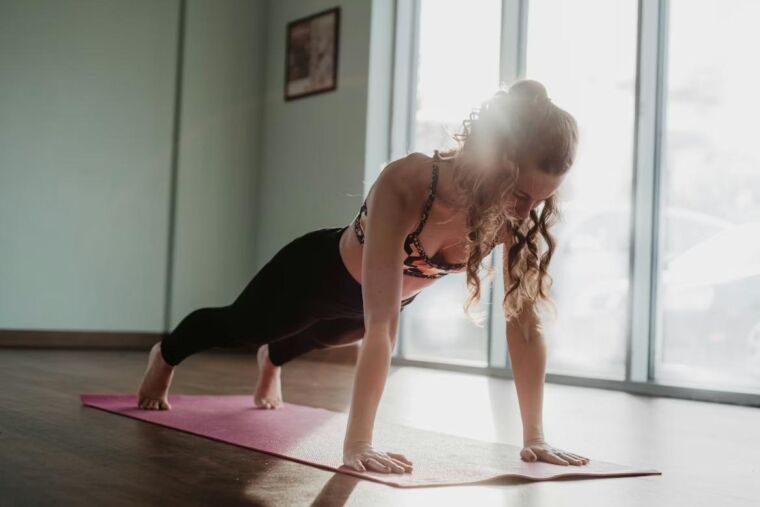
There’s a lot of conversation about fitness technology in relation to performance, convenience, and metrics. These are all crucial things, but fitness is more than just these things. Being fit is an emotional thing. People take insecurity, stress, hope, discipline, and self-image into fitness. Some are trying to lose weight. Some want strength after illness. Some are rebuilding confidence after years of feeling disconnected from their bodies.
That is one reason fitness apps can have such a deep impact when designed thoughtfully. The best ones do more than count reps or display charts. They encourage people at the right moment. They reduce friction. They celebrate small wins. They make the process feel possible on difficult days.
This aspect is not well understood in the industry. A person may not exercise due to a number of reasons that have nothing to do with laziness. He or she may feel that everything is overwhelming, tired, embarrassed, or frustrated due to lack of progress. However, a good app design can take care of this. It can suggest a short session instead of a full one. It can surface encouraging progress trends. It can remind users that consistency includes imperfect weeks.
That kind of experience creates trust. People do not stay loyal only because a feature list is long. They stay because a product fits into the emotional reality of building new habits.
The Future of Fitness Will Be Blended
The most interesting trend for the fitness industry is to blend the digital and physical worlds. The future is not going to be either at-home workouts or gym workouts; it’s going to be the former and the latter, and both will be connected.
A person might work out with a coach two times a week, work out at home with an app three times a week, and check their recovery levels with a wearable, as well as join a challenge with friends once a month, all in the same digital space. It’s more connected than fitness models from the past.
This is what the fitness industry needs: more retention, more personalization, and more service. And for consumers, fitness is more accessible and more convenient. They can pick it back up when they travel, when they get sick, when their schedules change, and when they lose motivation.
The rise of fitness apps makes sense because it’s really simple: fitness apps are answering what consumers need right now. They enable movement beyond the gym floor. They enable businesses to serve consumers more consistently. They provide structure to chaotic lives, and most importantly, fitness is more present in consumers’ lives.
That is why app development has become such an important force in modern wellness. It gives the fitness industry a way to stay useful, personal, and connected in a world where routines are built one decision at a time.